

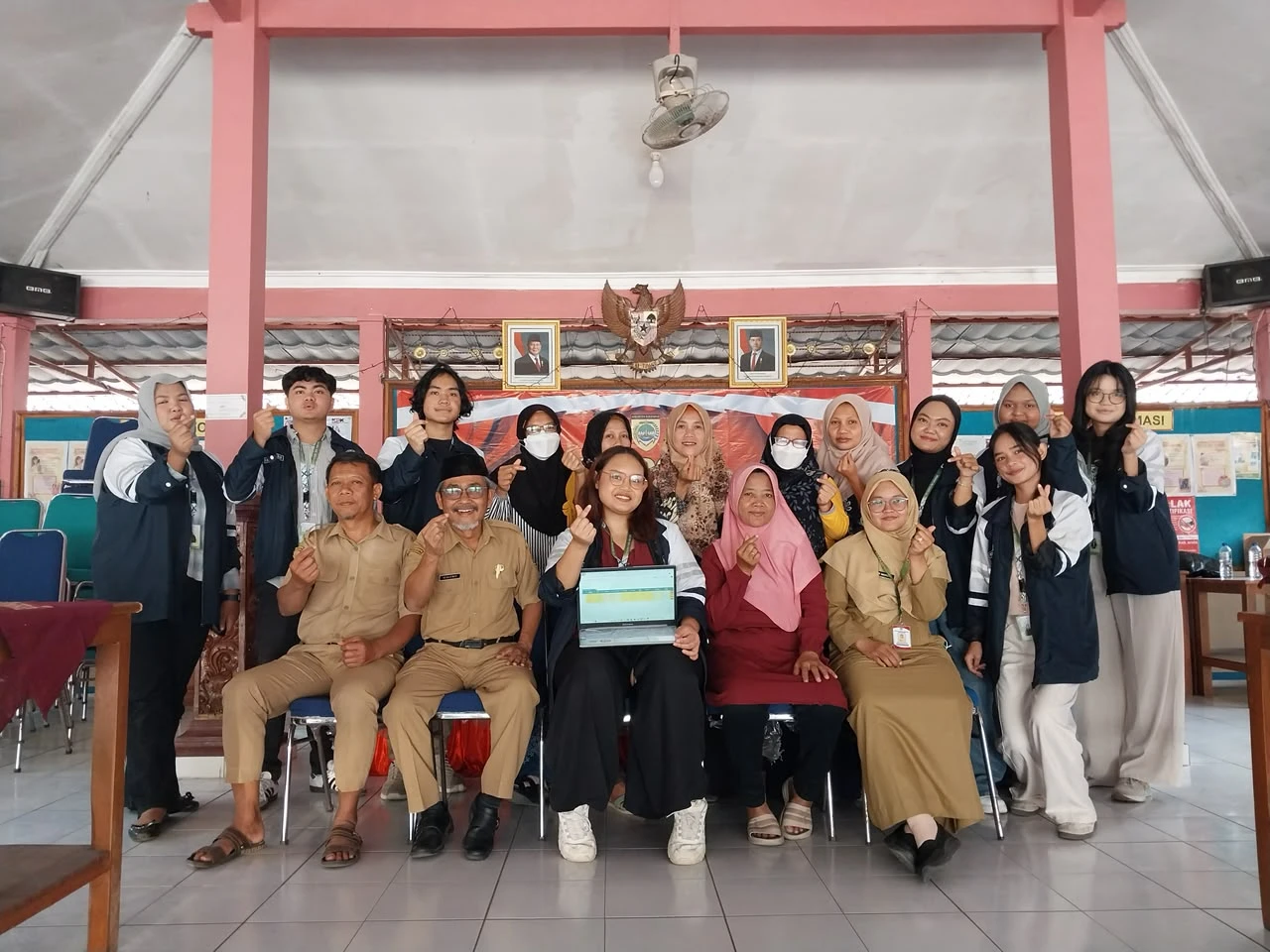
Plesan, August 2026 — Addressing stunting is no longer enough when relying solely on sporadic educational outreach without supporting data. Stemming from this concern, Nabila Putri Wardhana, a Community Service (KKN) student from the Undergraduate Public Administration Program, Class of 2023, initiated a Focus Group Discussion (FGD) centered on drafting a guidebook and tracking system for stunting outreach in Plesan Village, bringing together village officials, the village midwife, and posyandu (integrated health post) cadres at one discussion table.
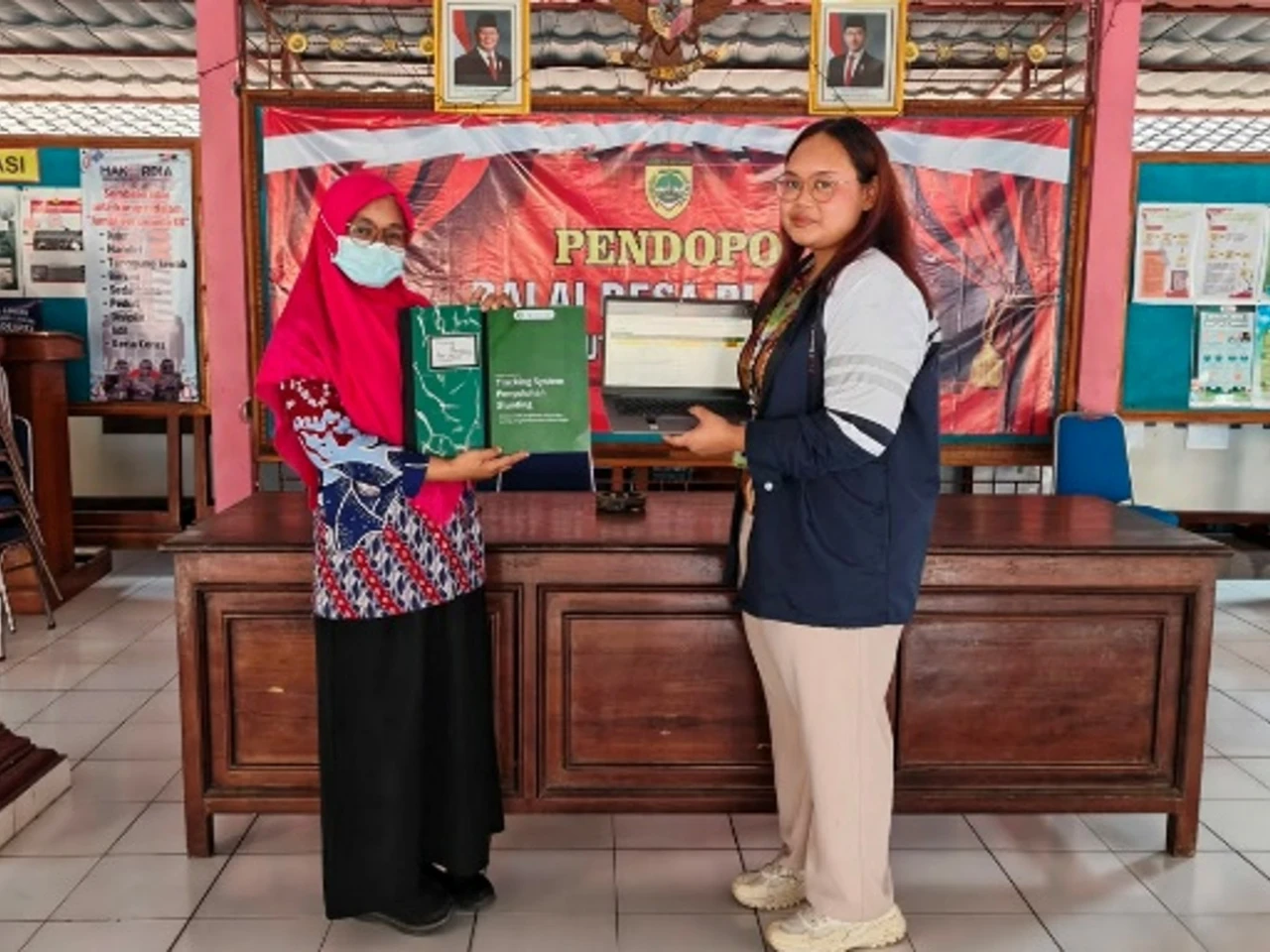
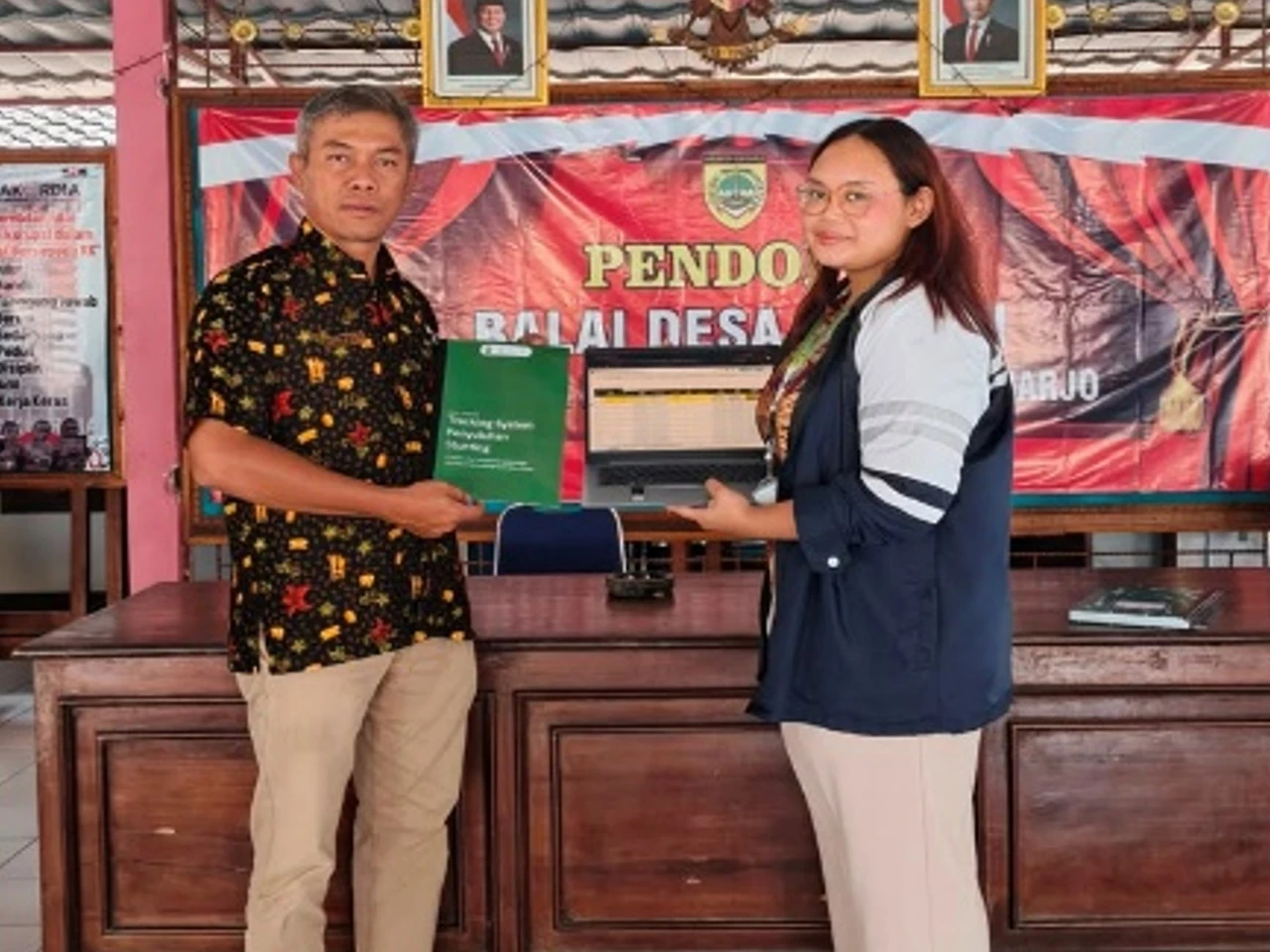
This FGD was more than just a brainstorming session. It was designed as the starting point for the creation of an automated stunting outreach monitoring system, built on the Google Sheets platform and complete with a user guidebook to ensure its continued use long after the KKN program concludes.
One Student, Three Roles
In its execution, the entire process—from concept and implementation to moderating the forum—was handled by Nabila Putri Wardhana, who acted as the conceptor, executor, and FGD moderator all at once. This dual-role approach ensured that the concept of the tracking system was fully understood by all attending stakeholders, from the root problems in the field to the technical solutions offered.
“Stunting outreach has been conducted extensively so far, but the data remains scattered. Who has received outreach, what materials were delivered, and which villages need intervention the most—all of these are often only kept in memory or manual notes that are difficult to summarize,” described the issue serving as the background for this initiative.
Two Faces, One System: Digital and Manual
What makes this system compelling is its dual-pronged approach. For village officials and the village midwife, an automated digital dashboard based on Google Sheets is available to summarize outreach needs, monitor activity schedules and achievements, and present real-time data without requiring multiple layers of manual compilation.
However, recognizing that not all posyandu (integrated health post) cadres are accustomed to digital devices, the system also features a manual version in the form of printed forms that cadres can fill out directly in the field. Data from these manual forms is subsequently input into the digital system, ensuring no cadre is left behind simply due to limited technological access.
This hybrid approach reflects an understanding that digital transformation at the village level cannot be forced uniformly—it must be adapted to the conditions and capacity of its users.
Toward Evidence-Based Outreach
The final output of this system is not merely a compilation of numbers. The goal is that the collected data can serve as a foundation for village officials and the village government to optimize stunting outreach strategies, targeting specific areas and groups that truly need intervention rather than applying a one-size-fits-all approach.
In other words, this program encourages the emergence of an evidence-based intervention at the village level: every policy and outreach action is grounded in verified data, rather than assumptions or old habits.
 |
 |
Equipping for Sustainability
To ensure the benefits of this system extend beyond the conclusion of the KKN period, the entire system development process was documented in a user guidebook prepared alongside the FGD participants. This guidebook is designed so that village officials and cadres can operate and maintain the system independently, making this FGD more than just an end-of-program ceremony, but rather a foundation for sustainable, data-driven stunting management in Plesan Village.